Robot Vacuum vs. Traditional Vacuum: Which One Is Right for You?
The Cleaning Dilemma
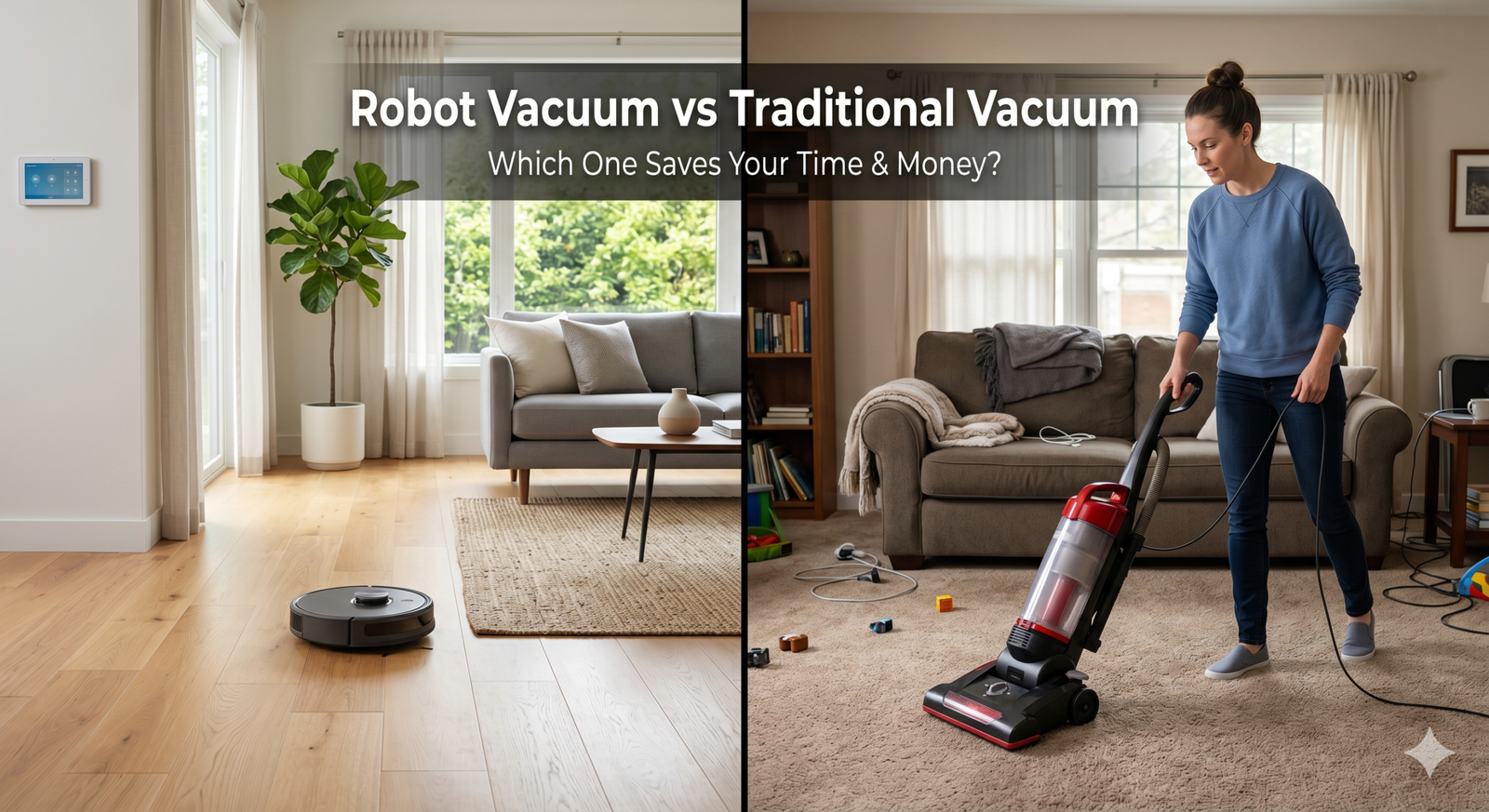
In today’s world, consumers are often faced with a dilemma when it comes to household cleaning: should they opt for a robot vacuum or stick with the familiar traditional vacuum cleaner? This question is becoming increasingly relevant as robot vacuums gain traction among homeowners, offering a promise of convenience and automation. As we navigate through our busy lives, the allure of a device that can handle vacuuming tasks independently is undeniably appealing.
Imagine coming home from a long day to find that your floors have been cleaned without you lifting a finger. This scenario positions robot vacuums, equipped with advanced sensors and programming, as innovative solutions for effortless cleaning. In contrast, traditional vacuums have stood the test of time, maintaining reliability and performance that many users continue to trust. They provide a hands-on cleaning experience that some still prefer, valuing the ability to control the vacuum’s movements and techniques directly.
As the market continues to expand, various models of both robot and traditional vacuum cleaners emerge, each boasting unique features. The effectiveness of a vacuum cleaner often hinges on specific cleaning needs, such as pet hair collection, allergen removal, or tackling various floor surfaces. Additionally, factors like price, maintenance, and user experience play decisive roles in the selection process.
This post will explore the advantages and disadvantages of robot vacuums versus traditional vacuums, evaluating their suitability for different households. By delving into the strengths and limitations of each, we aim to empower readers to make informed decisions, aligning their cleaning tools with personal lifestyles and cleaning requirements.
Understanding the Mechanisms: How They Work
Robot vacuums operate using a combination of advanced technology that allows them to autonomously navigate and clean various surfaces. They are equipped with sensors that detect obstacles and drop-offs, enabling them to avoid collisions and navigate efficiently. Most modern robot vacuums utilize laser navigation or cameras to map the cleaning area, creating a systematic path for vacuuming. This mapping technology ensures comprehensive coverage of rooms, allowing the device to remember previously cleaned areas and adjust cleaning paths accordingly.
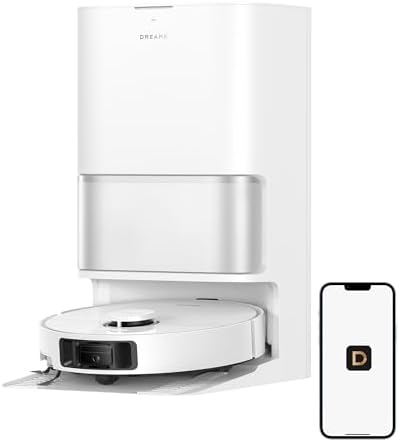
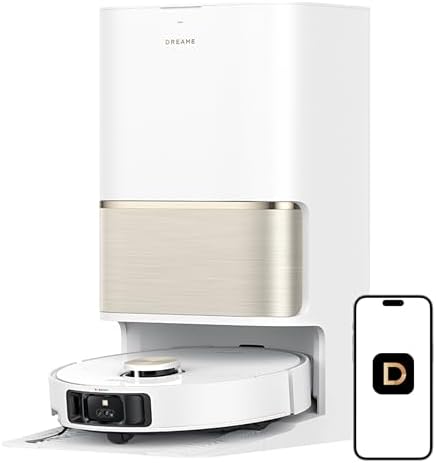
Furthermore, many robot vacuums offer features such as scheduling and app control, allowing users to set cleaning times and monitor progress remotely through a smartphone application. This level of convenience is a significant advantage, particularly for busy individuals who wish to maintain a clean home without the need for direct engagement. The smartphone apps often provide options to set specific cleaning modes, zones to avoid, and even virtual barriers.
In contrast, traditional vacuums come in various types, including upright, canister, robotic, and handheld models. These devices typically require manual operation, where the user actively pushes or pulls the vacuum across the floor. They vary in design and functionality, with upright models generally being more suitable for carpets while canister vacuums can provide versatility for different surfaces, such as hard floors and upholstery.
The user experience with traditional vacuums involves more hands-on interaction, which can be seen as either a drawback or an advantage, depending on individual preferences. Additionally, maintenance for traditional vacuums may involve changing bags or filters and regular checks on brushes and hoses. In summary, while robot vacuums emphasize automation and convenience, traditional vacuums offer a more tactile cleaning approach, each catering to different user needs and lifestyle choices.
Pros and Cons: Evaluating the Options
When considering the best cleaning solution for your home, it is important to weigh the pros and cons of both robot vacuums and traditional vacuums. Each type has its own unique advantages that can influence your decision.
Robot vacuums are celebrated for their convenience and time-saving capabilities. They operate autonomously, navigating through your home on a scheduled basis, which allows you to focus on other tasks or simply relax while the cleaning is done. Advanced models incorporate smart technology, enabling features such as app control, mapping, and automatic dirt detection. However, despite their modern appeal, robot vacuums may not always provide the deep cleaning power required for certain types of carpets or heavily soiled areas. Their suction power is often lower than that of traditional vacuums, which can affect their effectiveness in thoroughly removing embedded dirt.
On the other hand, traditional vacuums are generally favored for their effectiveness. Equipped with powerful motors, they can tackle various surfaces with better suction and provide the thorough cleaning necessary for challenging messes. Their versatility is another advantage; they often come with interchangeable attachments for different cleaning needs, such as upholstery, crevices, and hard-to-reach corners. Nevertheless, traditional vacuums have some drawbacks. They tend to be heavier and bulkier, which can be tedious to maneuver and store. Additionally, traditional vacuums require manual operation, which may be less convenient compared to the automated approach of robotic options.
Ultimately, the choice between robot vacuums and traditional vacuums comes down to personal preferences and cleaning needs. Understanding the pros and cons of each can help you make an informed decision on which cleaning method suits your lifestyle best.
Practical Tips for Choosing the Right Vacuum for Your Needs
When evaluating whether to invest in a robot vacuum or a traditional vacuum cleaner, there are several key factors to consider that can significantly impact your decision-making process. The first aspect is the size of your home. For larger spaces, a traditional vacuum may provide the thorough cleaning power required to cover extensive floor area effectively. In contrast, robot vacuums are better suited for smaller apartments or homes where they can seamlessly navigate and maintain floors with minimal intervention.
Another important consideration is pet ownership. Households with pets likely have hair and debris that can clog traditional vacuum systems. Robot vacuums designed with pet-specific features often include powerful suction and tangle-free brush rolls, making them adept at dealing with pet hair on various flooring types. Therefore, if you are a pet owner, it might be prudent to explore robot vacuums that cater to your needs.
The type of flooring in your home is also pivotal in determining the best vacuum for you. Traditional vacuums tend to perform better on thick carpets, while robot vacuums excel on hard surfaces like tile or laminate. If your home has a mix of flooring types, look for a robot vacuum that can transition easily between different surfaces without compromising on efficiency.
Budget constraints are inevitable when making a purchasing decision. Traditional vacuum cleaners generally have a lower upfront cost compared to many high-end robot models. However, consider the potential savings with a robot vacuum that can operate autonomously, thereby reducing the need for frequent manual cleaning.
Lastly, assess your lifestyle and cleaning habits. If you prefer convenience and appreciate technology, a robot vacuum may align better with your preferences. However, if you prioritize deep cleaning and control, a traditional vacuum might suit your needs perfectly.
Conclusion: Making Your Clean Home Vision a Reality
Choosing the right vacuum cleaner is vital in achieving a cleaner and more comfortable living environment. Both robot vacuums and traditional vacuums present distinct advantages and disadvantages that cater to different cleaning habits and preferences. It is essential to assess your unique needs when evaluating which vacuum cleaner is most suitable for your home.
Robot vacuums offer convenience and the ability to maintain clean floors with minimal intervention. They are best suited for individuals with busy lifestyles or those who prefer a hands-off cleaning approach. These automated devices work quietly, adapting to various floor types and navigating around furniture while saving time and effort. However, for deep cleaning tasks and situations requiring more thorough performance, traditional vacuums remain a reliable choice.
On the other hand, traditional vacuums excel in delivering powerful suction and versatility, making them ideal for extensive cleaning jobs, especially in homes with pets or heavy foot traffic. They often come equipped with multiple attachments to target different surfaces and eliminate stubborn dirt efficiently. However, they demand more physical effort and time to maintain a cleaning schedule.
Ultimately, it comes down to personal preference and lifestyle when deciding between robot vacuum cleaners and traditional models. Factors such as budget, house size, and cleaning habits should guide your decision-making process. Taking the time to evaluate the pros and cons helps ensure you choose the best vacuum cleaner that aligns with your specific requirements. With the right cleaning solution in place, you can create a brighter and more inviting home environment, one that truly reflects your vision of a clean space.