Effortless Cleaning: The Ultimate Robot Vacuum Experience
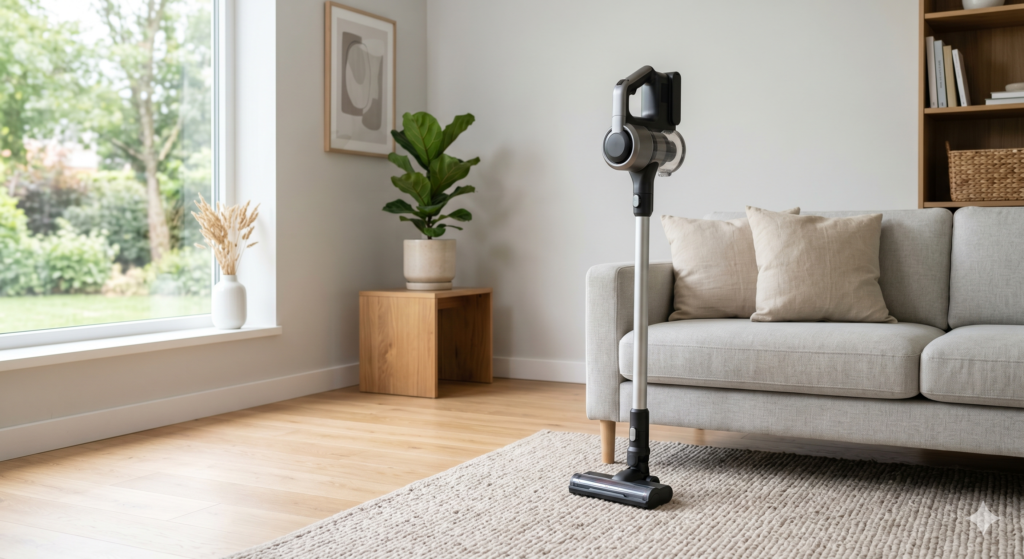
Understanding the Power of Robot Vacuums
Modern robot vacuums harness an array of advanced technologies that revolutionize the cleaning experience. At the core of these devices are sophisticated sensors that allow them to navigate various environments efficiently. These sensors detect obstacles, avoid furniture, and track their location, ensuring that every inch of your floor receives attention. By employing a combination of infrared, ultrasonic, and optical sensors, robot vacuums can identify and adapt to different room layouts, making them versatile cleaning companions.
One of the key features contributing to the effectiveness of robot vacuums is their powerful suction capabilities. Unlike traditional vacuum cleaners, which often struggle with stubborn debris, robot vacuums are engineered to handle large particles and fine dust alike. Many models come equipped with powerful motors that provide a strong airflow, allowing them to lift pet hair, dirt, and other particulates from carpets and hard floors. This ensures that clean surfaces are not only visually appealing but also hygienic.
Furthermore, smart mapping technology enhances a robot vacuum’s cleaning efficiency. By creating a digital map of the home, these devices can optimize their cleaning routes. This means that they will sweep through each room systematically instead of randomly, leading to thorough cleaning sessions that cover every corner. Some models can even be controlled via smartphone apps, allowing users to set cleaning schedules and designate specific areas for targeted cleaning. As a result, the integration of mapping technology ensures that robot vacuums are more than mere automated cleaners; they are intelligent devices capable of adapting to the user’s needs.
With these technological advancements, robot vacuums offer a cleaning solution that simplifies life while maintaining high standards of cleanliness across various surfaces.
Features That Make a Difference for Your Floors
The modern robot vacuum cleaner is designed with a variety of features specifically aimed at enhancing the cleaning experience across various types of flooring. One of the most critical elements is the unique brush design, which has been tailored to handle specific surfaces such as hard floors, floor gaps, and long-pile carpets. For example, some models incorporate a combination of bristle and rubberized extractors, ensuring effective dirt pickup while preventing tangles, particularly in homes with pets. These brushes are engineered to maintain optimal performance regardless of the floor type, making the cleaning process both versatile and efficient.
An equally important feature is the motor efficiency, which determines the suction power of the vacuum. Advanced models boast powerful motors that adjust their suction based on the surface being cleaned. This smart technology allows for deep cleaning on carpets, while also adapting to be gentle on delicate hardwood floors. By automatically detecting the type of flooring, these vacuums optimize energy consumption while providing a thorough clean, ensuring that all dirt, dust, and pet hair are removed.
Noise-reducing technology has emerged as a vital characteristic, especially for households with children or pets. Modern robot vacuums use sound-dampening materials and design features to minimize operational noise. This allows the vacuum to work quietly in the background, promoting a peaceful environment while still ensuring a spotless clean. The combination of these features not only improves cleaning efficiency but also enhances the overall user experience, making robot vacuums an invaluable tool in maintaining a clean and welcoming home.
Maximizing Performance: Tips for Optimal Cleaning
To ensure that your robot vacuum delivers optimal cleaning performance, consider implementing several practical strategies. Proper maintenance is crucial; therefore, regularly empty the dustbin and clean the filters to prevent clogging and maintain suction power. Many models come with washable filters that should be cleaned every few weeks, depending on your vacuuming frequency and dust levels in your home.
Another vital aspect of maximizing the robot vacuum’s performance is optimizing its usage scenarios. For instance, using the robot vacuum during times when fewer people are in the house can lead to more effective cleaning. This minimizes interruptions and allows the device to focus on the areas that require the most attention. Scheduling cleaning sessions during the day can also enhance performance, as any dust or debris that has accumulated during your absence can be promptly addressed by the vacuum.
Establishing a regular cleaning schedule is beneficial as well. Consistency is key; most robot vacuums can be programmed to clean daily or multiple times per week. This routine prevents the buildup of dirt and fur, making each cleaning session more efficient. Additionally, keeping floors free from obstacles will allow the robot vacuum to navigate with ease, maximizing its cleaning potential.
Many users express concerns regarding common obstacles like tangled hair or unidentifiable error messages. To troubleshoot these issues, first check the brushes for hair entanglements and replace any worn parts as needed. For error messages, consulting the user manual or the manufacturer’s website can provide specific guidance tailored to your model. With these proactive maintenance and usage tips, you can significantly improve your robot vacuum’s efficiency, ensuring a cleaner home environment.
Customer Reviews and Real-World Performance
Robot vacuums have rapidly gained popularity among homeowners seeking to simplify their cleaning routines. User testimonials reveal a diverse range of experiences and satisfaction levels with various models, particularly in tackling everyday household challenges. For instance, pet owners frequently praise the efficiency of robot vacuums in managing pet hair, with many noting how models equipped with strong suction capabilities and specialized brushes excel in this area. Users frequently mention the benefits of automated scheduling, allowing the vacuum to clean when convenient, thus reducing the burden of regular cleaning chores.
In addition to pet hair management, many users highlight performance on carpets and hard floors. Reviews suggest that models with advanced navigation and mapping technology can effectively deep-clean carpets, ensuring that dirt and allergens are removed. It has been observed that the most effective robot vacuums utilize powerful suction along with a combination of brushes and rollers designed specifically for various surfaces. This versatility leads to improved cleaning results, even in homes with mixed flooring.
Moreover, reviews often point to the importance of app connectivity and ease of use. Users appreciate being able to control their vacuum remotely, receive notifications, and customize cleaning schedules through a user-friendly app interface. Models that provide seamless connectivity and robust customer support are consistently well-received.
For individuals seeking advice on specific models, recommendations vary widely based on cleaning needs. For homes populated by pets, higher-end models from reputable brands like iRobot and Roborock tend to emerge as top choices. In contrast, budget-friendly options may suffice for less demanding cleaning routines. Thus, the vast array of user feedback underscores the importance of assessing personal requirements when selecting a robot vacuum, ultimately enhancing the cleaning experience.

- 26,000Pa Powerful Suction for Deep Cleaning: Powered by a high-speed motor, MOVA P10 Pro Ultra Gen2 delivers 26,000Pa st…
- TurboPress Tech for Vacuum and Mop Combo Performance: TurboPress Tech applies 12N downward pressure to remove tough stai…
- 212℉ PTC Hot Mop Washing Hygienic Homes: The built-in PTC system heats water up to 212°F to wash mop pads and clean the …