The Best Flooring for Robot Vacuums: A Comprehensive Guide
Introduction: The Rise of Robot Vacuums
In recent years, robot vacuums have surged in popularity, transforming from a luxury item into a household necessity for many individuals and families. Their appeal lies primarily in their convenience; these autonomous cleaning devices operate independently, allowing users to maintain cleanliness with minimal effort. This innovation not only frees up time for homeowners but also contributes to a continuous cleaning routine, essential for busy lifestyles.
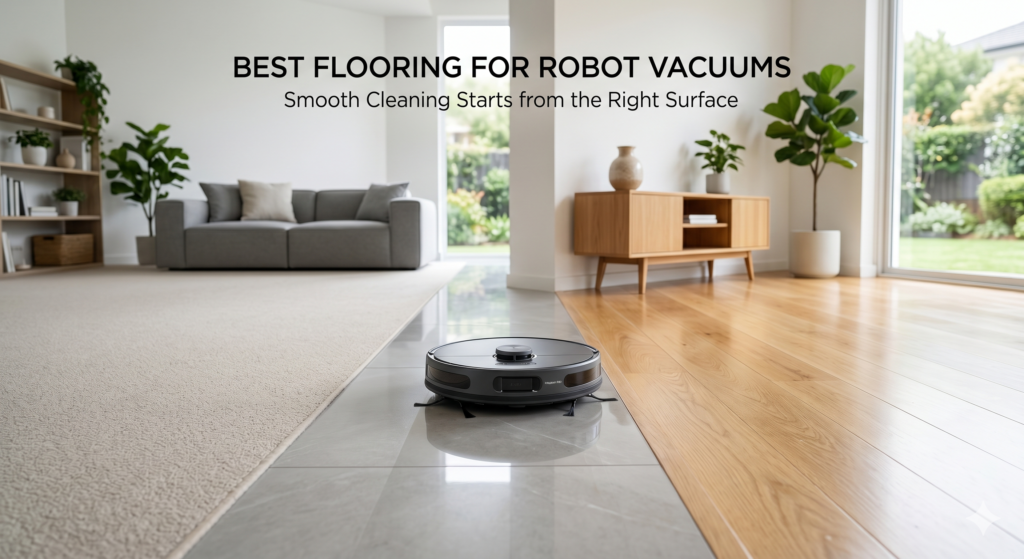
As the demand for robot vacuums grows, it becomes increasingly important to understand the influence of different flooring types on their performance. Not all floors are created equal when it comes to compatibility with robot vacuums. The best flooring for robot vacuums is not solely determined by aesthetics; it is also dependent on how well these devices can navigate and clean various surfaces. Hard floors, such as tile, laminate, and hardwood, generally yield better results, as they are smoother and facilitate easier movement for these machines.
Conversely, carpeting presents unique challenges, especially if it is thick or has a lot of texture. Robot vacuums may struggle to achieve effective cleaning on plush or high-pile carpets, which could lead to reduced efficacy. Additionally, the presence of rugs can complicate matters, as some robots may have difficulty transitioning between different heights or may become stuck.
This guide will delve into the selection of the best flooring for robot vacuums, providing insights and recommendations on flooring options that enhance the functionality and efficiency of these devices. By understanding how various flooring types interact with robot vacuums, homeowners can make informed decisions that align with their cleaning needs.
Key Considerations When Choosing Flooring for Robot Vacuums
When selecting flooring that works harmoniously with robot vacuums, several essential factors need to be assessed to ensure optimal robot vacuum efficiency. The first consideration is the texture of the flooring. Smooth surfaces, such as tile or hardwood, tend to provide a more favorable experience for robot vacuums compared to carpets or rugs. The likelihood of a robot vacuum navigating effectively diminishes on textured or shaggy carpets, as its wheels may struggle to gain traction. Therefore, opting for floor types with minimal texture can significantly improve the cleaning efficiency of robotic devices.
Material durability is another crucial factor. Certain flooring materials, like vinyl and laminate, offer resilience and can withstand the regular wear and tear from a robot vacuum. These materials are not only sturdy but also relatively easy to clean and maintain. On the other hand, softer materials or less durable flooring may be more prone to scratches or dents over time, which could impact their longevity. It is advisable to consider the material’s durability in relation to the frequency of vacuuming and the robot’s design.
Potential obstacles in the environment also play a significant role in the choice of flooring. For instance, uneven surfaces, thresholds, and small obstructions can impede a robot vacuum’s navigation. Incorporating flooring that minimizes such obstacles can enhance the overall functionality of the appliance. Additionally, ensuring that the robot vacuum can traverse between different flooring types smoothly can lead to a more efficient cleaning experience. The type of flooring chosen ultimately impacts not just the effectiveness of the robot vacuum, but also flooring maintenance demands, forming a harmonious balance between both elements.
The Best Flooring Options for Robot Vacuums
Choosing the right flooring for robot vacuums is essential in optimizing their performance and ensuring that your floors are cleaned effectively. Different flooring materials can significantly influence how well these automated devices navigate, clean, and perform their functions.
Hardwood Floors: Hardwood flooring is popular among homeowners, largely due to its aesthetic appeal. Robot vacuums operate efficiently on hardwood surfaces, providing excellent cleaning capability without the risk of causing damage. However, it is important to consider that hardwood can be prone to scratches. Regular maintenance of the robot vacuum’s brushes can mitigate this issue. In addition, hardwood floors are generally quieter when cleaned compared to carpets, making them a great choice for homes.
Tile Floors: Tile is another excellent option for robot vacuums. Its hard surface allows for unobstructed movement and superior cleaning effectiveness. The ease of maintaining tile floors is a considerable advantage, as they require less frequent deep cleaning. However, grout lines can accumulate dirt, and some robot vacuums may struggle to completely clean these areas unless designed with advanced navigation features.
Carpet: While carpets can be challenging for robot vacuums, advancements in technology have improved their effectiveness on this type of flooring. For best results, invest in a robot vacuum with strong suction power and specialized brushes meant for carpets. Although the presence of carpets may result in higher noise levels during operation, the comfort they provide often outweighs this factor. On the downside, debris may get stuck within the fibers, requiring more maintenance.
Ultimately, selecting the right flooring for robot vacuums comes down to personal preference and lifestyle needs. Each flooring type offers unique advantages, and understanding these can assist homeowners in making an informed decision that best supports their cleaning needs.

- Stylish – Authentic wood looking and grain texture, adding timeless feature for your home
- Easy DIY – Just peel and stick down on a flat floor for installation, no power tools, no experience, no glue, no accesso…
- Superior Property – Rigid surface and hard core, 100% waterproof, fire proof, wear resistant, scratch and abrasion resis…
Tips for Maintaining Your Floors with a Robot Vacuum
Using a robot vacuum can greatly enhance floor maintenance efficiency, but understanding how to optimize its use for different floor types is key to achieving the best results. First, it’s crucial to establish a regular cleaning routine. Most robot vacuums are designed to navigate autonomously; however, setting a consistent schedule can ensure your floors remain free from dust and debris at all times. This is particularly important for high-traffic areas where dirt accumulates more rapidly.
Additionally, adjusting the robot vacuum settings is essential when transitioning between various types of flooring. For example, hardwood floors often require lower suction power compared to carpets. Consult your vacuum’s user manual to understand the best settings tailored to your flooring, ensuring effective cleaning without damaging the surfaces.
In maintaining carpets, especially those with intricate fibers, be on the lookout for specific debris types, such as pet hair or crumbs, that may remain trapped. Investing in a robot model equipped with a powerful brush roll can help lift dirt from deeper within the fibers. Remember to clean the vacuum’s brushes and filters regularly to prevent blockages, which can affect performance.
For tile or laminate floors, the risk of scratches is a concern. To mitigate this, ensure the wheels and brushes of the robot vacuum are free from accumulated debris before each use. Furthermore, using a microfiber cloth attachment can enhance cleaning, effectively picking up fine particles that are often missed by traditional brushes.
Lastly, monitoring the robot vacuum’s performance and addressing any malfunction or reduced efficiency immediately will prolong its life and the cleanliness of your floors. By following these guidelines, homeowners can maximize their investment in a robot vacuum, ensuring their floors remain pristine with minimal effort.