How to Organize a Busy Family Schedule: Step-by-Step Tips and Strategies
Understanding the Importance of a Family Schedule
In today’s fast-paced world, families are busier than ever. Juggling work, school, extracurricular activities, and household responsibilities can lead to overwhelming chaos without a structured timetable. This is where the significance of a family schedule comes into play. A well-organized family schedule can drastically reduce stress levels associated with managing multiple obligations.
Firstly, a family schedule enhances communication among family members. By having a clear overview of everyone’s commitments, family members can better coordinate their time, leading to fewer conflicts. For instance, knowing who is available and when allows for more effective planning for family meals, outings, or even quiet time together. This enhanced communication fosters an environment where family members can express their needs and preferences freely, ensuring everyone feels heard and valued.
Moreover, a family schedule helps establish a balanced lifestyle. With delineated time slots for work, school, and leisure, families can enjoy a sense of order in their lives. This balance is essential, as it allows family members to allocate time not only for obligations but also for relaxation and enjoyment. When activities are pre-scheduled, families can avoid the pitfalls of overscheduling, which often leads to fatigue and dissatisfaction.
On the other hand, without a family schedule, numerous challenges may arise. Families may experience time management issues, leading to missed appointments or overlapping commitments. These conflicts can cause stress and frustration, detracting from the quality of family interactions. Establishing a family schedule is crucial to mitigating these challenges, thereby leading to happier family dynamics.
Step 1: Assess Your Family’s Needs and Priorities
Creating an effective family schedule begins with a thorough assessment of each family member’s needs and priorities. This step is crucial, as it allows for a comprehensive understanding of varying commitments, activities, and responsibilities. Start by inviting each family member to share their individual schedules, including school, work, and extracurricular activities. Open communication is essential during this phase; everyone should feel comfortable expressing their thoughts and needs.
To facilitate this discussion, consider using a family meeting format, where each member can contribute their input. Establish a non-judgmental environment to foster honest communication regarding preferences and commitments. As you gather information, take note of key activities, such as school events, sports practices, work obligations, and necessary family time. This process will help paint a clearer picture of how busy each individual’s schedule may be.
Another vital aspect to consider is the balancing act required to juggle various activities against time constraints. Evaluate the importance of each commitment and discuss potential conflicts and overlaps. Encourage family members to prioritize their responsibilities, which may involve making difficult choices about which activities are absolutely essential versus those that can be modified or temporarily eliminated. In this way, you will create a ranking of priorities, guided by the family’s values and each member’s academic, professional, and social needs.
Ultimately, this thorough assessment will set a solid foundation for constructing a balanced family schedule. By understanding and appreciating the diverse commitments of each family member, you will be equipped to design a schedule that accommodates everyone’s needs while allowing for quality family time. A well-organized schedule will promote harmony, helping to ensure that all family members feel valued and supported.
Choosing the Right Tools for Scheduling
Effectively organizing a busy family schedule requires the selection of the right tools that can streamline communication and time management among family members. A well-suited scheduling tool not only keeps track of appointments, but also fosters collaboration within the household. One highly recommended tool is the Skylight Calendar, which is specifically designed to cater to the needs of families. Its user-friendly interface simplifies the scheduling process and enables family members to engage seamlessly.
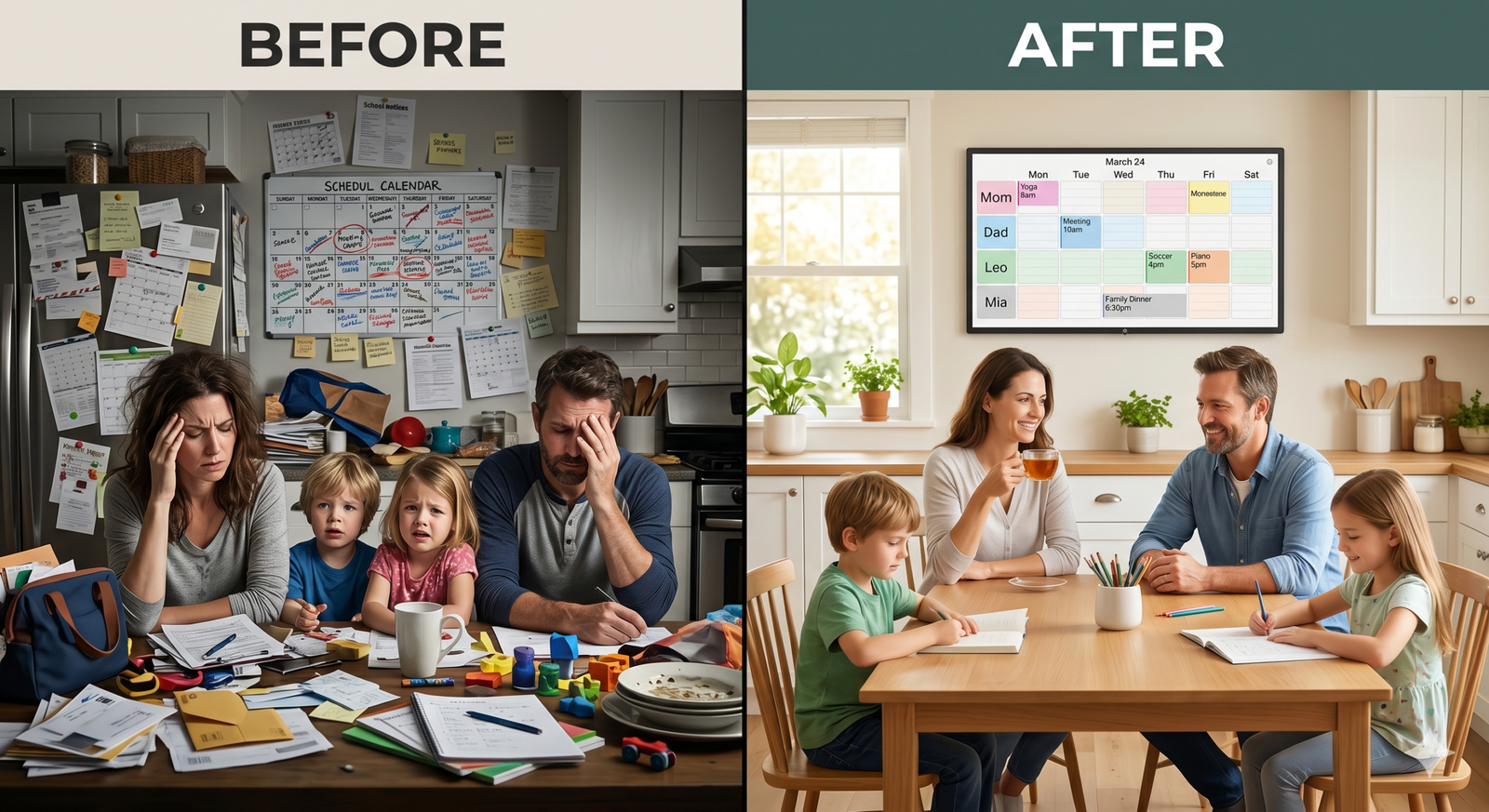
The Skylight Calendar offers several features that enhance usability. For instance, the color-coding option allows users to distinguish between different activities or family members at a glance. This visual organization makes it easier to spot overlapping commitments and understand day-to-day scheduling dynamics. Additionally, the accessibility of the Skylight Calendar is noteworthy. It can be accessed from various devices, enabling all family members to participate in the planning process irrespective of their location.
Another significant feature of the Skylight Calendar is its reminder notifications. These timely alerts serve as gentle nudges, helping family members stay on track with their schedules and responsibilities. Whether it’s a reminder for a school event or a doctor’s appointment, such notifications can minimize the likelihood of missed commitments.
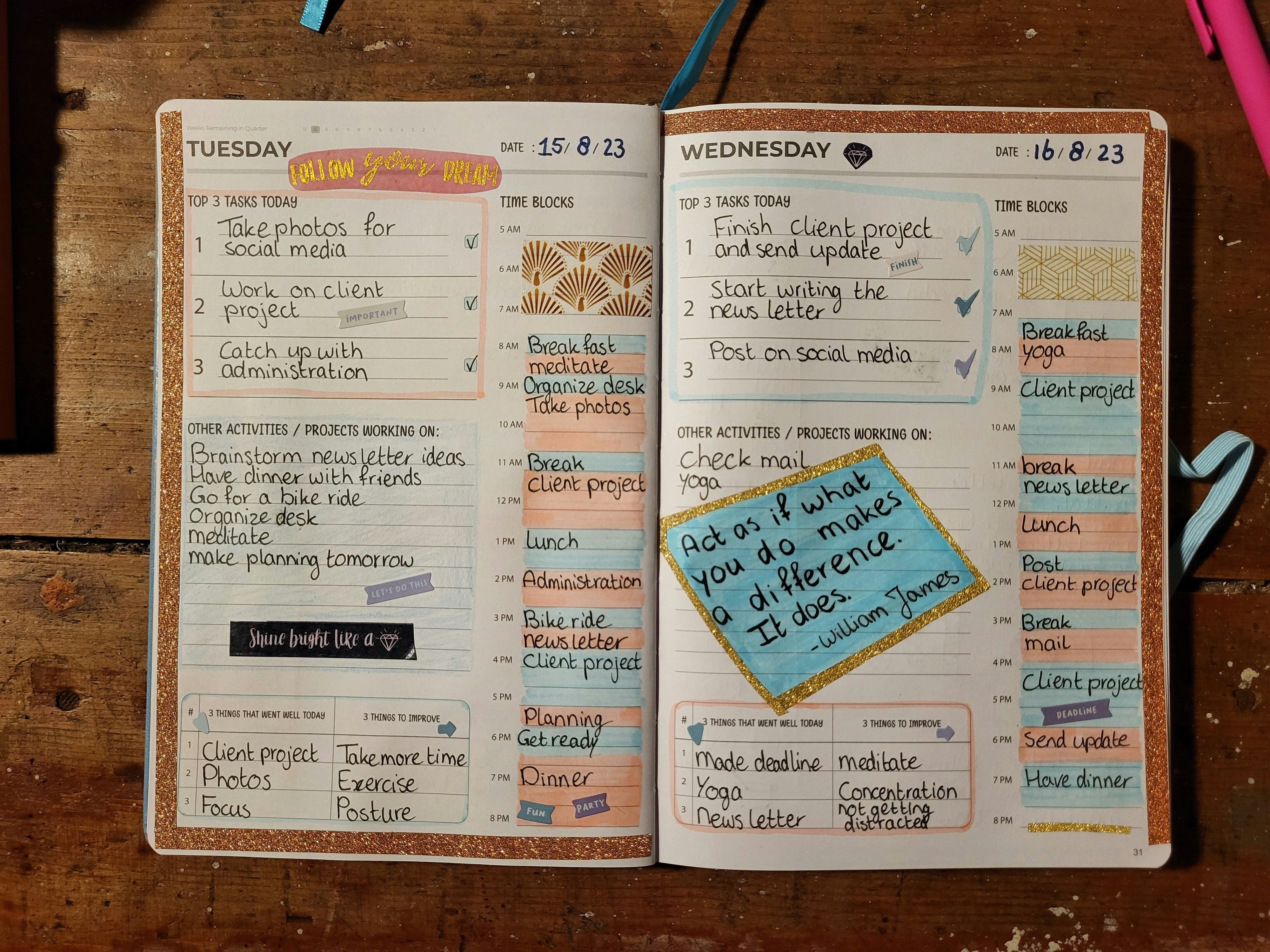
Aside from digital solutions like the Skylight Calendar, families may also explore traditional scheduling tools, such as planners and wall calendars. These tools can be very effective for families who prefer a tactile approach and enjoy the act of writing down their plans. Moreover, various scheduling applications are available that can cater to diverse preferences, some featuring synchronization with other digital calendars. By considering a mix of tools and methods tailored to their own needs, families can select the most effective scheduling strategy to balance their busy lives.
Implementing the Schedule and Making Adjustments
Once the family schedule has been constructed, the next significant step is implementation. To ensure a smooth transition into this new routine, it is vital to introduce the schedule thoughtfully. One effective method is to create visual reminders that can be placed in common areas of the house. A large wall calendar or a dedicated scheduling board can help keep every family member informed about upcoming events and obligations. Utilizing color coding for different family members can further simplify this process, allowing individuals to quickly identify their specific tasks at a glance.
Regular check-ins are also essential in monitoring the effectiveness of the schedule. Setting aside a designated time each week to discuss the schedule with the family can help address challenges and adjust as necessary. These discussions should focus on what is working well and what may need changes. Encouraging open communication will allow everyone to voice their opinions and contribute to the evolution of the schedule, ensuring each family member feels valued.
Flexibility is a critical component of any busy family schedule. While having a structured routine is beneficial, it is equally important to recognize that life is unpredictable. Emergencies, surprises, or changes in priorities can arise at any moment. Therefore, families should be prepared to revise their schedules. Establishing a system for adjustments, such as allowing for spontaneous family outings or allocating time for unplanned activities, can alleviate stress when changes occur. Keeping some buffer time between scheduled events can foster resilience in the family’s daily organization.
Adopting these strategies will not only facilitate a smoother implementation but also encourage adaptability within the family’s dynamic. A well-maintained schedule that reflects the family’s evolving needs can significantly enhance the overall quality of family life.

- THE ULTIMATE DIGITAL CALENDAR: Meet Skylight’s 15.4” touchscreen wall planner—a premium hub built for busy families. Thi…
- EVERYTHING AT A GLANCE WITH SEAMLESS SYNCING: This electronic calendar connects to Wi-Fi in minutes and syncs effortless…
- CUSTOMIZABLE DESIGN: Features a sleek, HD smart display that mounts easily to any wall or sits beautifully on a kitchen …
As an Amazon Associate I earn from qualifying purchases.