Why Microfiber Cleaning Cloths Are a Game-Changer for Modern Homes
What Are Microfiber Cleaning Cloths?
Microfiber cleaning cloths are innovative textile products specifically designed for efficient cleaning and dusting. They are composed of a blend of synthetic fibers, predominantly polyester and polyamide, woven together in incredibly fine strands. These tiny fibers, often measuring less than one denier, allow the cloths to possess exceptional characteristics that distinguish them from traditional cleaning fabrics, such as cotton or terrycloth.
The unique composition of microfiber results in several advantageous properties. Firstly, the high absorbency of microfiber allows these cloths to hold several times their weight in moisture, making them highly effective for wiping surfaces without leaving streaks or residue. Secondly, the intricate structure of the fibers enables them to attract and trap dust, dirt, and grime with remarkable efficiency. This feature is particularly beneficial in households where allergens are a concern, as microfiber cloths can capture particles that other fabrics merely push around.
In terms of softness, microfiber has an ultra-soft texture that is gentle on various surfaces, ensuring it does not scratch or damage delicate finishes. This makes them suitable for cleaning electronics, eyeglasses, and polished furniture. Furthermore, microfiber cleaning cloths are reusable and can withstand multiple wash cycles, contributing to their sustainability and cost-effectiveness.
The introduction of microfiber to the American market can be traced back to the late 20th century. Initially used primarily in industrial settings, their effectiveness quickly garnered attention for use in household cleaning. As a result, microfiber cleaning cloths have gained widespread popularity among consumers who appreciate their efficiency, versatility, and ease of use. Today, they have become a staple in modern homes, representing a significant advancement in cleaning technology.
The Benefits of Using Microfiber Cloths in Everyday Cleaning
Microfiber cloths have become a staple in modern households, thanks to their numerous advantages in cleaning applications. One of the primary benefits of using microfiber cloths is their eco-friendliness. Unlike traditional cleaning materials, microfiber does not require chemical cleaners to effectively remove dirt and grime. The fine fibers can lift and trap dust particles without the need for additional substances, making them safer for the environment and promoting better indoor air quality.
Another significant advantage offered by microfiber cloths is their durability and reusability. These cloths can withstand hundreds of washes while retaining their cleaning capabilities. This not only reduces the need for regular replacement of cleaning supplies but also leads to cost savings over time. For instance, a household that replaces disposable paper towels with a few microfiber cloths can diminish waste and lower expenses associated with purchasing cleaning products.
The efficiency with which microfiber cloths pick up dirt, dust, and allergens is noteworthy. The very structure of microfiber allows it to capture particulates effectively, ensuring a cleaner surface than traditional cotton cloths. A practical example of this benefit can be seen in households with allergy sufferers; using microfiber cloths can significantly reduce airborne allergens, thus contributing to a healthier living environment.
Furthermore, microfiber cloths are extremely versatile, suitable for various surfaces such as glass, wood, and stainless steel. Their effectiveness in achieving a streak-free finish on glass is a commonly noted advantage. Additionally, they can be used dry for dusting or dampened for more intensive cleaning tasks. The combination of these factors highlights why switching to microfiber cloths can be a transformative decision in everyday cleaning routines.
Incorporating Microfiber Cloths into Your Cleaning Routine
To maximize the benefits of microfiber cleaning cloths, it is essential to integrate them effectively into your daily cleaning routine. Start by designating specific cloths for different areas of your home to avoid cross-contamination. For instance, you can reserve certain cloths for kitchen surfaces, bathrooms, and dusting, thereby ensuring that bacteria and grime do not spread from one surface to another.
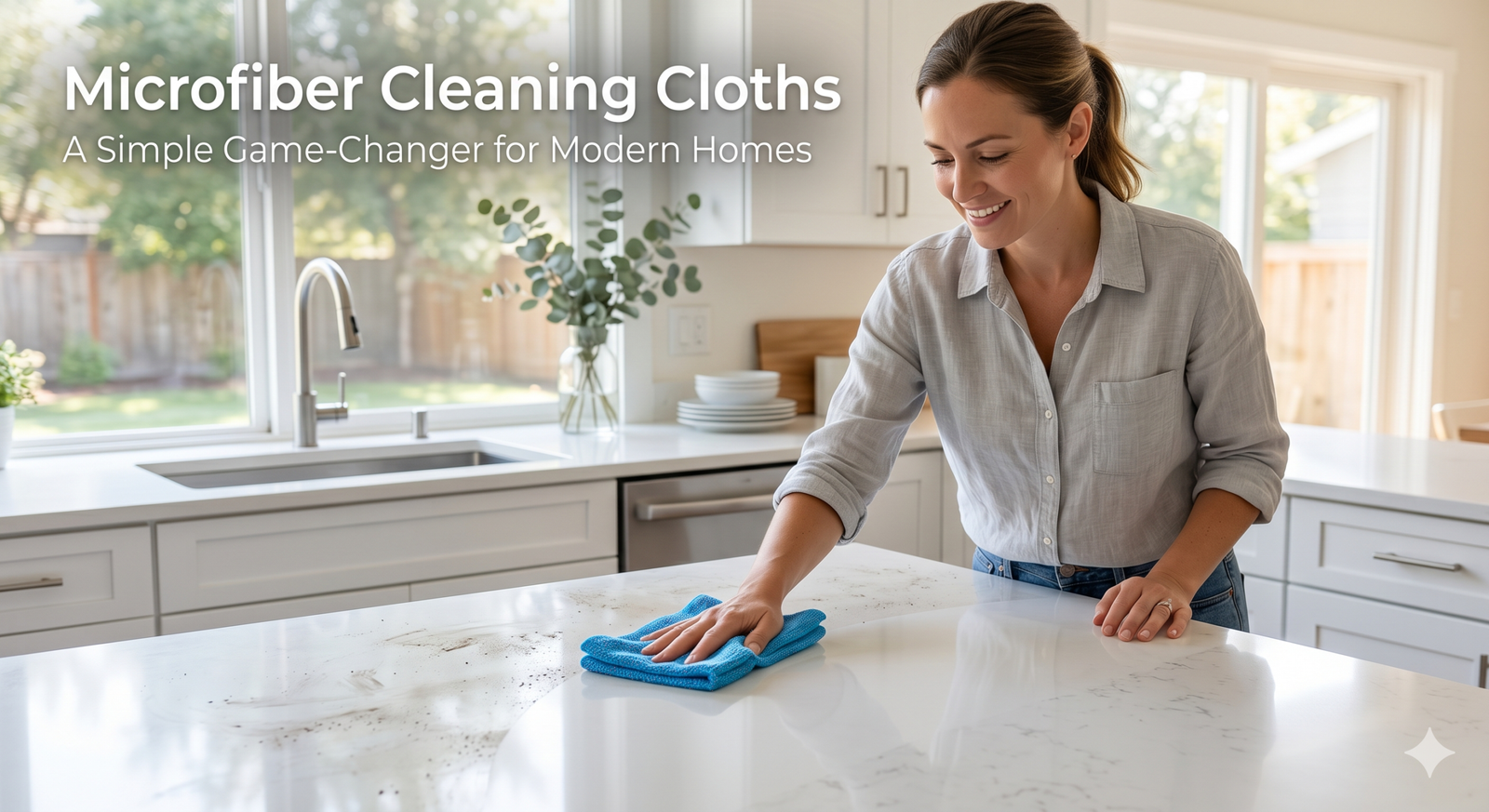
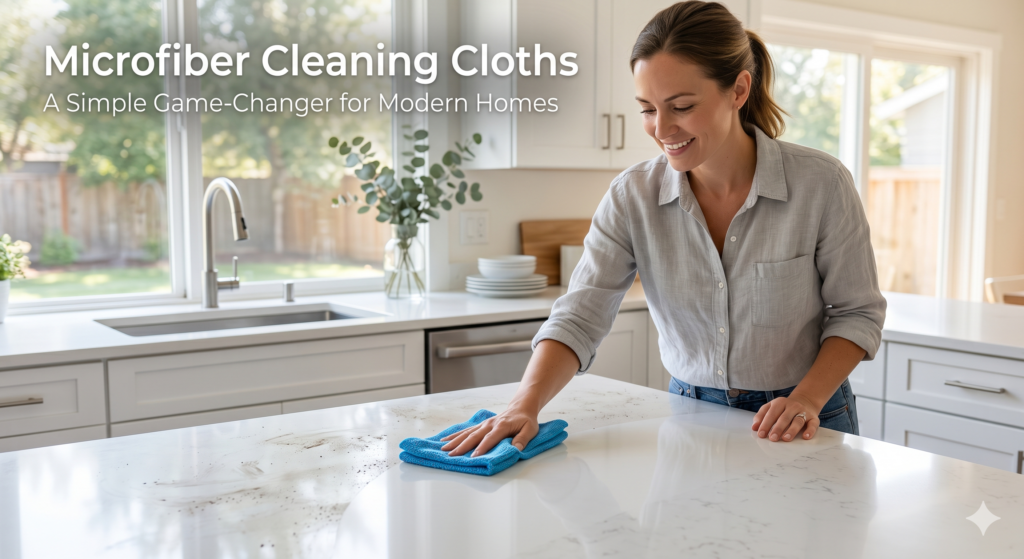
When cleaning kitchen counters, consider using a damp microfiber cloth. The moisture helps trap dirt and grease without leaving streaks. Simply wet the cloth, wring out any excess water, and wipe down the surfaces, including cutting boards and tabletops. For glass surfaces, utilize a dry microfiber cloth to achieve a streak-free shine. This method is especially effective for mirrors and windows, where traditional paper towels may leave lint behind.
In bathrooms, microfiber cloths can be extremely useful for tackling surfaces such as sinks, countertops, and mirrors. For these areas, a combination of damp and dry cloths can be employed. Start with a damp cloth to remove soap scum and rinse well; follow it with a dry cloth to polish and ensure no streaks remain. Remember, proper usage also extends to choosing the right cloth texture; the fuzzy side is ideal for polishing, while the flat side works well for scrubbing.
Washing microfiber cloths is straightforward: wash them in warm water without fabric softeners or bleach, as these chemicals can damage the fibers. Allow the cloths to air dry or tumble dry on low heat. Proper storage is also crucial; keep them in a dedicated bin or drawer away from other cleaning supplies to maintain their cleanliness and efficacy. By making these simple adjustments, you will streamline your cleaning processes while benefiting from the effectiveness of microfiber materials.
Frequently Asked Questions About Microfiber Cleaning Cloths
Microfiber cleaning cloths have gained significant popularity in modern households, prompting many to consider their efficiency and practicality. One common question is about their maintenance and care. To ensure longevity and optimal performance, microfiber cloths should be washed with mild detergent, ideally without fabric softeners or bleach. These additives can diminish the cloth’s absorptive properties. Washing in warm or hot water (depending on the level of dirt) is recommended, and allowing them to air dry or tumble dry on low heat is best to preserve their structure.
Another frequent inquiry pertains to the lifespan of microfiber cloths. Typically, high-quality microfiber cloths can last anywhere from 300 to 500 washes, significantly outpacing traditional cleaning materials, such as paper towels. This durability not only contributes to environmental sustainability by reducing waste, but it also makes microfiber cloths a cost-effective investment for households.
Misconceptions about microfiber cloths abound, particularly the belief that they are not as effective as paper towels. In reality, microfiber can trap more dirt, dust, and bacteria due to its unique structure, which includes tiny fibers that create a larger surface area. This feature allows them to clean surfaces more efficiently than standard paper towels, which often smear rather than absorb. Furthermore, microfiber is reusable and can be cleaned, while conventional paper towels are single-use, further enhancing the advantages of microfiber in maintaining a cleaner home.
Lastly, some users worry about potential allergic reactions. Microfiber materials are generally safe and non-allergenic compared to cloths constructed of synthetic fibers or those treated with chemicals. Understanding these aspects can significantly aid in making an informed decision regarding the integration of microfiber cleaning cloths into your cleaning routine.
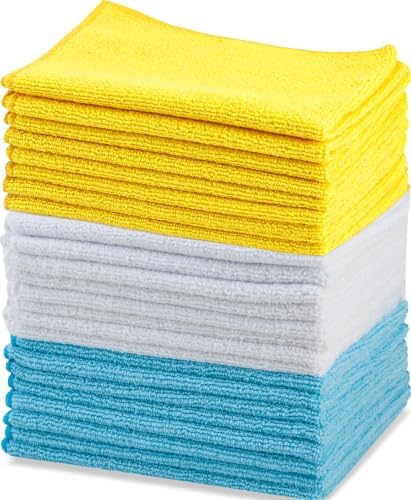
- Microfiber 16 x 12-inch cleaning cloth (24-pack); ideal for cleaning cars, trucks, boats, and more
- Ultra-soft and non-abrasive car drying towels; will not scratch paints, vinyl, glass, finishes, or other surfaces
- Effectively cleans either dry or with liquid cleaners for streak-free results and a lint-free shine
As an Amazon Associate I earn from qualifying purchases.