The Best Indoor Plants for Home Decoration: Elevate Your Space Naturally
Creating a Lush Indoor Sanctuary: The Importance of Indoor Plants
Incorporating indoor plants into home decoration serves not just an aesthetic purpose, but offers a plethora of benefits that enhance the overall ambiance and wellbeing of a space. The soothing greenery of indoor plants has the ability to transform a drab corner of your room into a vibrant nook of tranquility. Picture a simple, bare shelf that suddenly comes alive with a lush fern or a vibrant pothos; such changes can make an impactful difference in our daily lives.
Beyond beautifying our surroundings, indoor plants play a crucial role in purifying the air we breathe. Many common houseplants, such as spider plants and peace lilies, possess natural air-filtering qualities that can significantly reduce indoor pollutants and toxins. This is particularly important in urban environments, where air quality can be compromised. The addition of these plants not only elevates your home decor but also promotes a healthier living environment, contributing positively to respiratory health.
The psychological impacts of indoor plants extend even further. Studies have shown that incorporating greenery within our living spaces can reduce stress and anxiety levels. Imagine returning home after a long day to a lush living room adorned with various plants. The simple act of tending to your indoor garden can serve as a meditative practice, offering a sense of peace and connection to nature. It can also enhance focus and productivity in home offices, creating an inspiring atmosphere for work or study.
In essence, indoor plants are much more than decorative elements; they serve as vital companions in our efforts to create comforting and inspiring environments. Their aesthetic appeal combined with their health benefits makes them an essential aspect of home decoration. By embracing the presence of indoor plants, you are not only nurturing your surroundings but also enhancing your own well-being.

- Highly Realistic Appearance: This faux tree made of hand-assembled with polyester and plastic, the bark texture is clear…
- Stable and Sturdy Construction: Our fake plants use long lasting, safe, and advanced materials that are pet-friendly. Wh…
- Easy to Assemble: Include all the essential components: a 5 feet fake tree, a planter and artificial moss. Our artificia…
As an Amazon Associate I earn from qualifying purchases.
Top Indoor Plants to Consider for Your Home
When selecting indoor plants for home decoration, it is beneficial to consider both aesthetics and the plant’s requirements. Here is a curated list of some of the best indoor plants to elevate your living space, catering to various lighting conditions and levels of maintenance.
1. Snake Plant (Sansevieria)
Known for its striking architectural form, the snake plant is an excellent choice for novice gardeners. This hardy plant thrives in low light and requires minimal watering, making it ideal for busy lifestyles. Its tall, pointed leaves can reach up to four feet, adding a touch of drama to any corner of your home.
2. Pothos (Epipremnum aureum)
Pothos is a popular trailing vine that adapts well to various light conditions, from low to bright indirect light. This fast-growing plant is particularly known for its heart-shaped leaves, which can be variegated in shades of green and yellow. Aside from its easy care, pothos is also praised for its air-purifying qualities, making it a great addition to any living room or office.
3. Peace Lily (Spathiphyllum)
The peace lily is another fantastic option for those looking to add greenery indoors. With its elegant white flowers and glossy green leaves, it can flourish in low light areas. This plant is relatively easy to maintain and only requires watering when the soil feels dry. Additionally, peace lilies are known for their ability to filter indoor air pollutants, promoting a healthier home environment.
4. Spider Plant (Chlorophytum comosum)
Spider plants are well-loved for their graceful arching leaves and the small plantlets they produce. They thrive in various light conditions but prefer bright, indirect sunlight. These resilient plants are also celebrated for their air-purifying capabilities and can be easily propagated, allowing for more greenery throughout your space.
These indoor plants not only enhance home decoration but also contribute positively to indoor air quality, creating a serene and refreshing atmosphere in your living spaces.

- SCULPTURAL BOTANICAL ACCENT: This 12-inch faux succulent arrangement features layered greenery in varied tones and textu…
- VERSATILE SURFACE STYLING: Sized for coffee tables, kitchen counters, entryway consoles, or office desks, this arrangeme…
- LOW-MAINTENANCE DESIGN: Crafted with detailed faux foliage arranged for fullness and balance, this succulent display mai…
Tips for Choosing the Right Indoor Plants
Selecting the appropriate indoor plants for your home can greatly enhance your living space while also providing numerous health benefits. To ensure your choices are both aesthetic and practical, consider several key factors before making a purchase.
First, assess the light exposure in the areas where you intend to place the plants. Different indoor plants have varying light requirements. Some thrive in bright, indirect light, while others can tolerate low-light conditions. For instance, succulents and cacti require ample sunlight, making them suitable for sunlit windows, whereas snake plants and pothos can endure shaded corners. Evaluating your space’s lighting will help you identify plants that can flourish in those conditions.
Next, consider the humidity levels of your home. Many indoor plants, such as ferns and peace lilies, prefer higher humidity levels and may require additional care during drier months. Conversely, plants like jade and snake plants are well-suited for drier environments. Keeping an eye on the humidity in each room can assist you in finding suitable plant candidates that will thrive rather than suffer stress.
Furthermore, always take into account the space the plants will occupy. The size and growth pattern of the chosen plants should harmonize with your available space. Assess vertical and horizontal dimensions to ensure selections do not overcrowd corners or surfaces. For those with limited space, opt for smaller varieties or trailing plants that can be hung.
Lastly, when selecting indoor plants, familiarize yourself with their care requirements. Investigate necessary tools, such as watering cans and moisture meters, which can aid in maintaining the vitality of your plants. Consideration of features like toxicity and maintenance level will also provide valuable insights during your selection process.
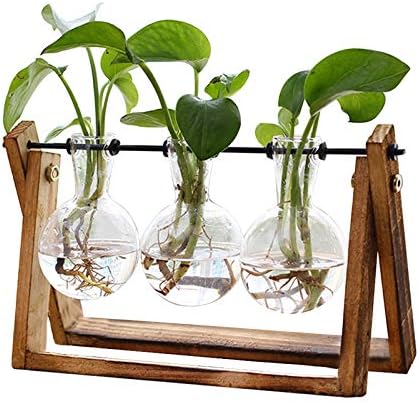
- ✿ Nice photo prop – Suitable for Cool and Vintage Ins style. It will be more beautiful and eye-catching if you fill the …
- ✿ Perfect combination of natural wood and clear glass- Frame is made of sturdy and robust nature wood, 3 bulb terrariums…
- ✿Retro Home Office Décor: Great for floral arrangement, cutting plants, artificial, freshly flowers, mixed bouquets, wat…
Caring for Your Indoor Plants: Simple Maintenance Tips
Caring for your indoor plants is essential to ensure they thrive and enhance your home decor. Here are some straightforward maintenance tips to keep your indoor plants healthy and vibrant:
- Watering Frequency: Ensure you understand the specific watering needs of each plant species. Most houseplants prefer to dry out slightly between waterings. Check the soil moisture by sticking your finger about an inch deep into the soil; if it feels dry, it’s time to water.
- Optimal Light Conditions: Each plant has different light requirements, so research where to place them in your home. Some plants thrive in bright, indirect sunlight, while others prefer lower light levels.
- Humidity Levels: Many indoor plants, especially tropical varieties, appreciate humidity. You can increase humidity by misting the leaves or placing a small humidifier nearby. Grouping plants together can also help maintain moisture in the air.
- Fertilization: During the growing season (spring and summer), fertilize your indoor plants monthly with a balanced liquid fertilizer. This supports growth and encourages lush greenery. Follow the instructions on the fertilizer label for best results.
- Pest Control: Regularly inspect your plants for signs of pests such as spider mites, aphids, or mealybugs. If you notice any infestations, treat them early using insecticidal soap or by wiping the leaves with a damp cloth.
- Pruning and Cleaning: Remove any dead or yellowing leaves to promote healthy growth. Cleaning the leaves with a damp cloth not only enhances their appearance but also allows the plant to absorb more light.
By following these simple tips, you can ensure your indoor plants remain healthy and contribute positively to your living space. Remember, with a little love and attention, anyone can be a plant parent!

- Plastic
- 1
- 【UNIQUE DESIGN】Rustic black clay pot with lifelike faux fiddle leaf fig plant that remains looking fresh year after year…
As an Amazon Associate I earn from qualifying purchases.