Creating a Home That Resonates: The Essence of Comfort and Safety
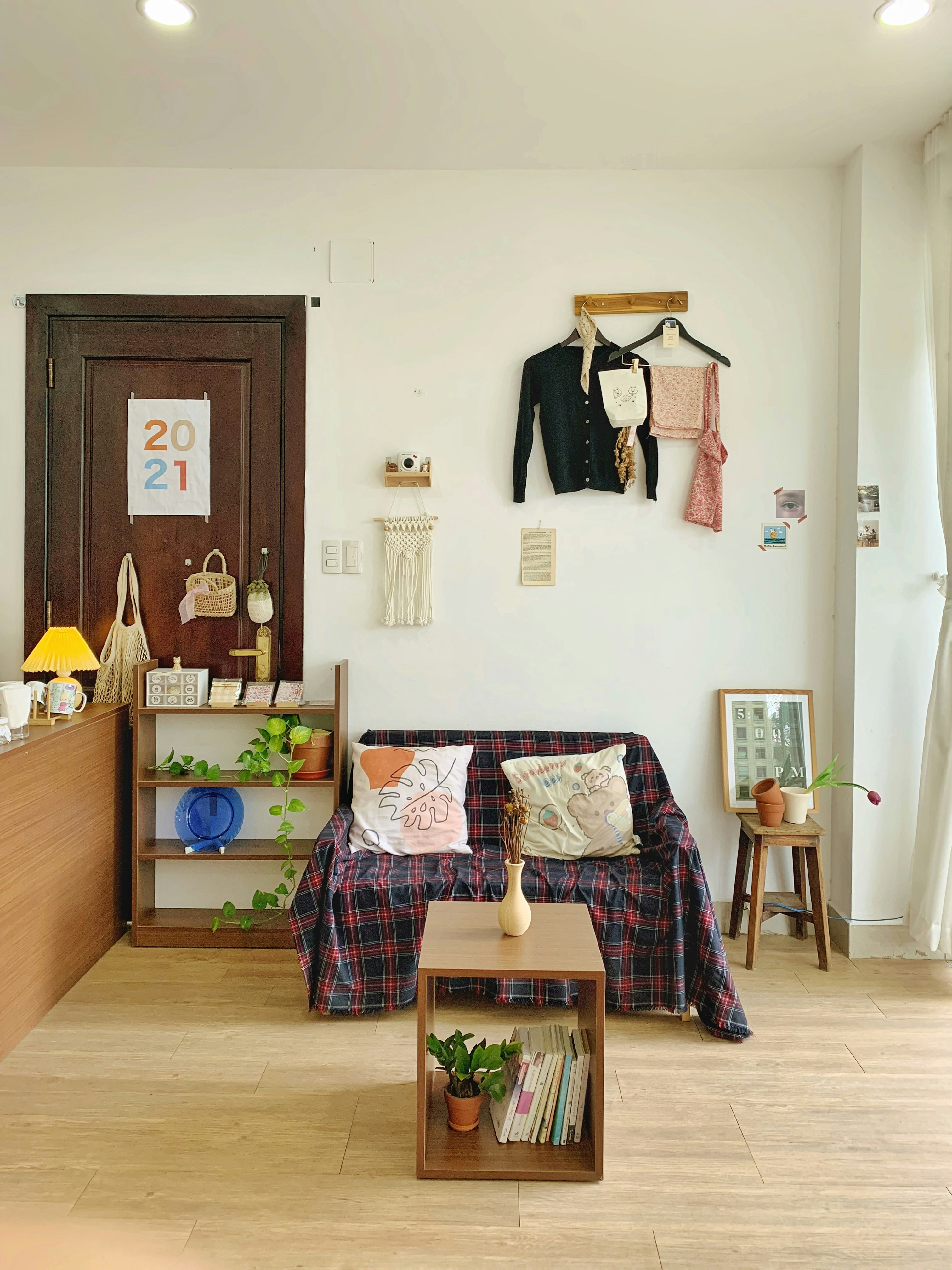
Understanding the Emotional Impact of Space
The design and layout of our living spaces extend far beyond mere aesthetics; they profoundly influence our emotions and mental well-being. A home’s atmosphere can evoke distinct feelings — comfort, anxiety, safety, or even unease — all derived from its physical attributes. Elements such as color, lighting, arrangement, and furniture choices play crucial roles in shaping our psychological experiences within these spaces.
Color theory indicates that different colors invoke specific emotional responses. For example, softer hues like blues and greens are often associated with tranquility and can enhance feelings of calmness. Conversely, bold colors can stimulate energy or provoke anxiety, depending on their application. By selecting the right palette, one can create a sanctuary that promotes peace and personal well-being.
Lighting is another pivotal element that significantly affects mood. Natural light, if utilized effectively, can improve emotional health by reducing feelings of depression and anxiety. Conversely, harsh or dim artificial lighting can create environments that are neither inviting nor comforting. Thus, integrating ample sources of natural light, while also utilizing warm, adjustable artificial lighting, can foster a sense of safety and contentment.
Furthermore, the layout and arrangement of furniture can impact how we navigate and perceive our space. An open and spacious layout often promotes feelings of freedom and relaxation, while cramped areas may trigger stress or discomfort. Thoughtfully arranging furniture to encourage movement and interaction can create a warm environment that enhances social connections and comfort levels. Prioritizing emotional responses — rather than merely following the latest design trends — is paramount in crafting a home that resonates with genuine comfort and safety.
Elements That Foster Calmness and Warmth
Creating a home that fosters calmness and warmth is essential for promoting well-being and comfort. Several physical elements play a pivotal role in establishing a soothing environment. First, the choice of natural materials significantly impacts the ambiance of a space. Materials such as wood, stone, and cotton contribute to a feeling of connection with nature, enhancing the overall tranquility of a room. Natural textures not only provide visual interest but also have a calming effect, making them ideal for any living space.
Integral to this serene atmosphere are personal touches that reflect individual preferences and experiences. Items such as family photos, meaningful artwork, or travel souvenirs can evoke positive memories and feelings of safety. These personalized elements make a house feel like a home by encapsulating one’s identity within the living space. When selecting these personal artifacts, it is beneficial to choose those that resonate deeply with your sense of comfort and joy.
Soft textures are another vital aspect to consider. Introducing cushions, throw blankets, and rugs with plush and inviting materials can significantly enhance the warmth of a room. These textures not only provide physical comfort but also create an inviting atmosphere where relaxation is encouraged. Layering different fabrics in complementary colors fosters a cohesive design that feels both welcoming and calming.
Ultimately, the essence of creating a calming and warm home lies in the thoughtful combination of these elements. Each choice should prioritize comfort and safety while reflecting the inhabitants’ tastes and personalities. By incorporating natural materials, personal touches, and soft textures, one can craft a harmonious space that truly resonates with the sentiments of comfort and safety.
The Importance of Creating Safe Spaces
In today’s fast-paced world, the home serves as a sanctuary, providing not only physical shelter but also emotional refuge. The importance of creating safe spaces within the home cannot be overstated, as these zones contribute significantly to the overall well-being of its inhabitants. Safety encompasses both physical and emotional elements, and a well-structured living environment can greatly enhance feelings of security and comfort.
Physical safety relates to the tangible aspects of one’s home, including secure locks, smoke detectors, and proper lighting. These features are essential in preventing accidents and ensuring that every individual feels protected in their living space. However, emotional safety is equally vital, as it lays the foundation for relaxation and personal growth. A nurturing environment allows individuals to express their thoughts and feelings without fear of judgment, thus fostering a sense of belonging.
To cultivate an atmosphere of safety within the home, it is beneficial to create designated areas tailored for specific activities. For instance, a cozy nook for reading can serve as a retreat, promoting tranquility, while a well-organized workspace can enhance productivity and focus. Similarly, social zones, such as inviting living areas or communal dining spaces, encourage interaction and bonding among family members and friends, which further contributes to holistic well-being.
Additionally, incorporating elements such as calming colors, natural light, and personal touches can enhance the emotional resonance of these spaces. It is crucial to remember that everyone has unique needs when it comes to comfort and safety, thus creating customized areas that reflect individual preferences is paramount.
Building Your Space: Practical Steps to Create Your Sanctuary
Transforming your home into a sanctuary requires thoughtful planning and purposeful actions. To begin, consider decluttering your space. An organized home not only appears more inviting but also promotes a sense of calm. Start with one room at a time, sorting items into categories: keep, donate, and discard. This process helps create a clearer mental space and allows for a more serene environment conducive to relaxation and safety.
Once decluttering is underway, pay attention to the color palette of your home. Colors can evoke emotions and significantly impact your mood. Soft, neutral tones can create a relaxing atmosphere, while warm hues can evoke feelings of safety and comfort. Choose shades that resonate with you personally, as the right colors can help establish a nurturing environment where you feel at ease.
Next, consider designating specific areas within your home for relaxation. Create a cozy reading nook with a comfortable chair and good lighting or set up a peaceful meditation space filled with soft pillows and calming elements. These areas can serve as personal retreats where you can recharge and unwind after a long day.
Finally, infuse your home with memories and personal mementos that hold special meaning. Display photographs, artworks, or souvenirs that inspire happiness and nostalgia. Incorporating these personal touches not only enhances your living space but also fosters an emotional connection to your environment, making it feel more like home.
By implementing these practical steps, you can create a home that resonates with comfort and safety, allowing your sanctuary to nurture and protect you in every moment.